

Understanding Hot Water Heaters: A Comprehensive Energy Guide
Navigating the world of hot water heaters requires understanding efficiency, costs, and types. This guide explores options like tankless, heat pump, and conventional models,
helping you make informed decisions for optimal energy use and savings.
Types of Hot Water Heaters
A diverse range of hot water heater technologies cater to varying needs and budgets. Conventional storage tank water heaters remain popular due to their lower upfront cost, heating and storing a fixed volume of water. Tankless (On-Demand) water heaters, conversely, heat water only when needed, eliminating standby heat loss and offering potential energy savings.
Heat Pump Water Heaters (HPWH) leverage electricity to move heat rather than generate it, achieving significantly higher efficiency. Solar water heaters utilize renewable energy from the sun, drastically reducing reliance on traditional fuel sources, though requiring suitable sunlight exposure. Finally, Condensing water heaters are high-efficiency storage tank models that capture exhaust gases to preheat incoming water, boosting overall performance. Each type presents unique advantages, influencing long-term costs and environmental impact.
Conventional Storage Tank Water Heaters
These remain the most common type, featuring an insulated tank that continuously heats and stores 30-80 gallons of water. They are relatively inexpensive to purchase and install, making them accessible for many households. However, they suffer from standby heat loss – energy wasted maintaining water temperature even when not in use.
Efficiency varies based on tank size, insulation quality, and burner type (gas or electric). Older models are less efficient than newer ones with improved insulation. Proper sizing is crucial; an oversized tank wastes energy, while a too-small tank leads to frequent reheating. Regular maintenance, including flushing sediment, is vital for optimal performance and longevity. Despite advancements, they generally have lower energy factors compared to tankless or heat pump options.
Tankless (On-Demand) Water Heaters
Unlike storage tanks, tankless heaters heat water directly when a hot water tap is turned on, eliminating standby heat loss. This “on-demand” approach can lead to significant energy savings, particularly in households with intermittent hot water use. They are available in gas and electric models, with gas generally providing higher flow rates.
However, tankless units have a higher upfront cost and may require professional installation, including potential gas line or electrical upgrades. They also have a minimum flow rate requirement; if flow is too low, the heater won’t activate. While efficient, whole-house electric tankless models can strain electrical systems. Properly sizing the unit to household demand is critical to avoid cold water sandwiching – brief periods of cold water before hot water arrives.
Heat Pump Water Heaters (HPWH)

Heat pump water heaters (HPWHs) are significantly more energy-efficient than conventional electric water heaters. Instead of directly heating water, they move heat from the surrounding air to warm the water, similar to how a refrigerator works in reverse. This process can result in up to 60% energy savings.
However, HPWHs have a higher upfront cost and require sufficient space with adequate airflow. They also operate more slowly than resistance heaters, potentially impacting hot water availability during peak demand. HPWHs work best in warmer climates and may not be ideal for unheated basements or garages. Noise levels can also be a consideration, as they have a fan that operates during heating cycles. Look for ENERGY STAR certified models for optimal performance.

Solar Water Heaters
Solar water heaters utilize the sun’s energy to heat water, presenting a renewable and cost-effective solution. These systems typically consist of solar collectors mounted on the roof and a storage tank. The collectors absorb sunlight, transferring heat to a fluid that circulates through the tank, warming the water.
While the initial investment is substantial, solar water heaters can significantly reduce reliance on traditional energy sources, lowering utility bills. Performance depends heavily on sunlight availability, requiring a backup system for cloudy days or periods of high demand. There are two main types: active, which uses pumps to circulate fluid, and passive, relying on natural convection. Government incentives and rebates can help offset the upfront costs, making solar a viable option for environmentally conscious homeowners.
Condensing Water Heaters
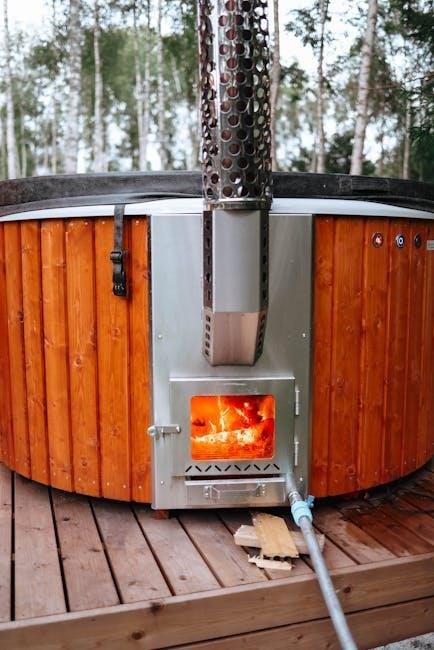
Condensing water heaters represent a high-efficiency option, extracting additional heat from exhaust gases that conventional models waste. They achieve this by utilizing a secondary heat exchanger to capture heat from the flue gases, preheating incoming water. This process significantly boosts efficiency, often exceeding 90% Annual Fuel Utilization Efficiency (AFUE).
However, condensing units require a drain line to remove the acidic condensate produced during the combustion process. Installation can be more complex and costly than standard models due to this requirement and the need for proper venting. Despite the higher upfront cost, the long-term energy savings can make condensing water heaters a worthwhile investment, particularly in regions with colder climates where greater efficiency gains are realized.
Factors Affecting Hot Water Heater Energy Consumption
Several key factors influence how much energy your hot water heater consumes. Household demand is crucial; larger families naturally use more hot water. The size of the tank must align with this demand – an oversized tank loses heat unnecessarily, while a too-small tank struggles to keep up. Insulation plays a vital role, both within the tank itself and around the pipes, minimizing heat loss during storage and delivery.
Water temperature settings also significantly impact consumption; lower settings save energy. Finally, the frequency of hot water usage directly correlates with energy use. Reducing shower times, fixing leaks promptly, and utilizing water-efficient appliances all contribute to lower energy bills and a smaller environmental footprint.
Water Heater Size and Household Demand
Matching your water heater’s size to your household’s needs is paramount for efficiency. A unit that’s too small will leave you with cold showers during peak times, forcing it to work constantly. Conversely, an oversized heater wastes energy by continuously heating water you aren’t using, leading to standby heat loss.
Consider the number of people in your home and their hot water habits. A single person typically needs a 30-40 gallon tank, while a family of four might require 50-60 gallons. Peak hour demand – the time when everyone is showering or doing laundry – is a critical factor. Accurately assessing these needs ensures optimal performance and minimizes energy waste, saving you money in the long run.
Insulation Levels of the Tank and Pipes
Proper insulation is a cornerstone of hot water heater efficiency. A well-insulated tank minimizes standby heat loss – the energy wasted keeping water hot when it’s not in use. Older water heaters often have inadequate insulation, making them prime candidates for an insulation jacket. These jackets are relatively inexpensive and easy to install, offering a significant return on investment.
Don’t overlook the pipes! Insulating the hot water pipes, especially those running through unheated areas like basements or crawl spaces, further reduces heat loss. This ensures more hot water reaches your faucets and reduces the energy needed to maintain the desired temperature. Investing in pipe insulation is a simple yet effective way to boost your water heater’s overall performance.

Water Temperature Setting
The temperature at which your hot water heater is set dramatically impacts energy consumption. While a scalding-hot temperature might seem desirable, it’s often unnecessary and wasteful. Most households don’t require water hotter than 120°F (49°C). Lowering the temperature setting from the factory default of 140°F (60°C) to 120°F can reduce standby heat loss and save a considerable amount of energy over time.
Furthermore, reducing the temperature minimizes the risk of scalding, particularly for children and the elderly. Consider the needs of your household and adjust the setting accordingly. Modern water heaters often feature adjustable thermostats, making this a simple adjustment. Regularly check and maintain your chosen temperature for consistent energy savings and safety.
Frequency of Hot Water Usage
The amount of hot water your household consumes directly correlates with your water heater’s energy usage. Families with higher occupancy and frequent hot water demands – from showers, laundry, and dishwashing – will naturally use more energy. Understanding your household’s peak usage times is crucial for optimizing efficiency.
Consider staggering hot water activities to avoid simultaneous demands, which can strain the heater and increase energy consumption. For example, avoid running the dishwasher and taking a shower at the same time. Reducing overall hot water usage through water-saving fixtures like low-flow showerheads and faucets can also significantly lower energy bills. Monitoring your consumption patterns helps identify areas for improvement and promotes mindful water heating.
Energy Efficiency Ratings & Standards
Understanding energy efficiency ratings is vital when selecting a hot water heater. These ratings, established by government standards, provide a benchmark for comparing different models and predicting operating costs. Key metrics include the Energy Factor (EF) and the newer Uniform Energy Factoring (UEF), both indicating overall efficiency – higher numbers signify better performance.

The EF measures how efficiently a water heater converts fuel into usable hot water, considering standby losses and recovery efficiency. UEF provides a more comprehensive assessment, factoring in various usage patterns. Look for the ENERGY STAR certification, a government-backed symbol identifying appliances that meet strict energy efficiency guidelines, ensuring significant energy savings over the unit’s lifespan.
Energy Factor (EF) Explained
The Energy Factor (EF) is a crucial metric for evaluating the overall efficiency of conventional storage tank water heaters. It represents the ratio of useful energy output (hot water delivered) to the total energy input (fuel consumed) over a typical usage period. Essentially, a higher EF indicates that the water heater is more efficient at converting fuel into hot water, minimizing energy waste.
Calculating the EF involves considering both standby heat loss – the energy lost while the water is not being used – and recovery efficiency – how effectively the heater transfers energy to the water. Consumers should compare the EF ratings of different models when making a purchase, as a higher EF translates directly into lower operating costs and reduced environmental impact. Remember to consider household hot water demand alongside the EF.
Uniform Energy Factoring (UEF)
The Uniform Energy Factoring (UEF) is a more recently developed metric designed to provide a standardized and more accurate measure of water heater efficiency compared to the older Energy Factor (EF). UEF testing simulates real-world usage patterns more closely, accounting for factors like draw patterns and recovery times. This results in a more reliable comparison between different types of water heaters – including tank, tankless, and heat pump models.
Unlike EF, which primarily focuses on storage tank heaters, UEF applies to all water heater types, offering a consistent benchmark. A higher UEF rating signifies greater efficiency and lower operating costs. When shopping for a new water heater, prioritize UEF as the primary efficiency indicator, as it provides a clearer picture of long-term energy savings and environmental benefits.
ENERGY STAR Certification
ENERGY STAR certification is a valuable indicator of a water heater’s energy efficiency, awarded by the U.S. Environmental Protection Agency (EPA). To qualify for the ENERGY STAR label, water heaters must meet strict energy performance criteria set by the EPA, exceeding minimum federal standards. These criteria are regularly updated to reflect advancements in technology and ensure continued energy savings.
Choosing an ENERGY STAR certified water heater can significantly reduce your energy consumption and utility bills. These models often incorporate features like improved insulation, advanced burner designs, and smart controls. Furthermore, ENERGY STAR certified products contribute to a smaller carbon footprint, promoting environmental sustainability. Look for the ENERGY STAR label when shopping to easily identify high-efficiency options and potentially qualify for rebates or tax credits.
Installation and Maintenance for Optimal Efficiency
Proper installation is crucial for maximizing a hot water heater’s efficiency and lifespan. While DIY installation might seem tempting, professional installation ensures adherence to local codes, correct venting, and safe connections, preventing potential hazards and performance issues. Regular maintenance is equally vital; annual flushing removes sediment buildup that reduces heating efficiency and can damage the tank.
Insulating both the water heater tank and the associated pipes minimizes heat loss, further enhancing efficiency. Inspecting and replacing the anode rod – a sacrificial component that protects the tank from corrosion – extends the heater’s lifespan. Proactive maintenance not only saves energy and money but also prevents costly repairs or premature replacement, ensuring reliable hot water for years to come.
Professional Installation vs. DIY
Embarking on a DIY hot water heater installation can present significant challenges. While seemingly cost-effective initially, it risks improper connections, code violations, and voided warranties. Licensed plumbers possess the expertise to navigate complex plumbing and electrical systems, ensuring safe and efficient operation. They understand local regulations regarding venting, pressure relief valves, and seismic strapping, crucial for safety and compliance.
Conversely, professional installation offers peace of mind, guaranteeing the system functions optimally from the start. It includes thorough testing for leaks and proper operation. Although more expensive upfront, it minimizes the potential for costly errors, future repairs, and safety hazards. Ultimately, for most homeowners, the investment in professional installation outweighs the risks associated with a DIY approach, ensuring long-term reliability and safety.
Regular Flushing to Remove Sediment
Sediment buildup – consisting of minerals like calcium and magnesium – is a common issue in hot water heaters, significantly reducing efficiency and lifespan. Over time, this sediment accumulates at the tank’s bottom, acting as insulation and forcing the heater to work harder to heat water. Regular flushing, typically recommended annually, removes this accumulated debris.
The process involves draining the tank, allowing sediment to escape through the drain valve. Caution is advised as the water can be scalding hot. Flushing not only improves heating efficiency but also prevents corrosion and extends the heater’s operational life. Ignoring sediment buildup can lead to reduced hot water capacity, increased energy bills, and premature tank failure. Consistent flushing is a simple yet vital maintenance step.
Insulating the Water Heater and Pipes
Proper insulation is crucial for minimizing heat loss from your hot water heater and distribution pipes, directly impacting energy efficiency. Older water heaters often lack sufficient insulation, allowing significant heat to dissipate into the surrounding environment. Applying an insulation blanket specifically designed for water heaters can dramatically reduce standby heat loss;
Furthermore, insulating the hot water pipes, especially those running through unheated areas like basements or crawl spaces, prevents heat from escaping before it reaches the faucet. This simple measure reduces the time it takes to get hot water and minimizes wasted energy. Insulation materials are readily available and relatively inexpensive, offering a quick return on investment through lower energy bills and improved comfort. Consider this a key step in optimizing your system.
Anode Rod Inspection and Replacement
The anode rod is a sacrificial component within your water heater, designed to corrode instead of the tank itself, extending the heater’s lifespan. Regularly inspecting and replacing the anode rod is a vital, yet often overlooked, maintenance task. Over time, the anode rod depletes as it protects the tank from rust and corrosion.
If left unchecked, the tank itself will begin to corrode, leading to leaks and eventual failure. The frequency of replacement depends on water quality; harder water accelerates corrosion. Typically, inspection is recommended every three years, with replacement needed when the rod is significantly depleted – less than 6 inches in length, or heavily corroded. Replacing the anode rod is a relatively inexpensive preventative measure that can save you from costly water heater replacement.
Cost Analysis: Purchase, Operation, and Lifespan
Evaluating the total cost of a hot water heater extends beyond the initial purchase price. Conventional storage tanks are typically the least expensive upfront, ranging from $400 to $800. Tankless heaters, offering on-demand hot water, can cost $800 to $1,800 or more, while heat pump models fall between $1,500 and $3,000. However, operational costs vary significantly.
Electric heaters generally have higher operating costs than gas models, dependent on local energy rates. Lifespan also plays a crucial role; storage tanks last 10-15 years, tankless heaters 20+ years, and heat pumps around 10-15 years. Considering these factors – purchase price, energy source, and expected lifespan – provides a comprehensive cost analysis for informed decision-making, maximizing long-term savings.
Initial Purchase Costs by Type
The upfront investment for a hot water heater varies considerably depending on the technology; Conventional storage tank water heaters represent the most affordable option, typically ranging from $400 to $800, making them accessible for many homeowners. Tankless (on-demand) water heaters, while offering efficiency benefits, command a higher price point, generally between $800 and $1,800.
Heat pump water heaters (HPWH) represent a significant investment, with costs ranging from $1,500 to $3,000, but qualify for rebates. Solar water heaters have the highest initial cost, potentially exceeding $4,000 including installation. Condensing models fall in a similar range to high-end tankless units. These figures exclude installation costs, which can add several hundred dollars to the total expense.
Operating Costs Based on Energy Source
The ongoing expense of running a hot water heater is heavily influenced by the energy source. Electric water heaters generally have higher operating costs compared to gas models, due to electricity’s price per unit. Natural gas heaters are often the most economical to operate, benefiting from lower fuel costs. Propane offers a middle ground, typically more expensive than natural gas but less than electricity.
Heat pump water heaters, despite a higher initial cost, can significantly reduce operating expenses by leveraging ambient heat. Solar water heaters minimize reliance on traditional energy sources, leading to substantial savings, though dependent on sunlight availability. Annual costs can range from $200 for a highly efficient gas heater to over $600 for an older electric model, varying with usage and local energy rates.
Expected Lifespan and Replacement Costs
Conventional storage tank water heaters typically last 8-12 years, with replacement costs ranging from $800 to $1,600, including installation. Tankless models boast a longer lifespan of 20+ years, but carry a higher upfront cost of $1,800 to $3,500 for unit and installation. Heat pump water heaters generally last 10-15 years, with replacements costing $2,000 to $3,500.
Solar water heaters have a lifespan similar to conventional tanks (8-12 years for the tank, longer for panels), with total replacement costs potentially exceeding $4,000. Condensing models fall in the $1,500 ‒ $3,000 range and last 10-15 years. Regular maintenance extends lifespan, while neglecting it shortens it and can lead to costly repairs or premature replacement. Consider long-term costs when choosing a model.
Troubleshooting Common Hot Water Heater Issues
No hot water often indicates a tripped circuit breaker, a faulty heating element, or a gas supply problem – check these first. Insufficient hot water can stem from a dip tube issue, sediment buildup, or an undersized heater for household demand. A leaking tank usually signals corrosion and necessitates immediate replacement; temporary fixes are rarely effective.
Strange noises, like rumbling, often indicate sediment accumulation requiring flushing. Whistling sounds might point to mineral buildup in pipes. Always prioritize safety – if you’re uncomfortable diagnosing or repairing, contact a qualified plumber. Ignoring issues can lead to further damage and higher costs. Regular maintenance minimizes these problems.
No Hot Water
Experiencing a complete lack of hot water is a common, yet frustrating, issue. The first step is to verify the power supply – check the circuit breaker or fuse box to ensure it hasn’t tripped. For gas water heaters, confirm the gas supply valve is open and the pilot light is lit (if applicable). Electric heaters may have a reset button, often located near the thermostat.
If these simple checks don’t resolve the issue, a faulty heating element (electric) or a malfunctioning gas valve (gas) could be the culprit. Sediment buildup can also prevent the heating element from functioning correctly. Always exercise caution when dealing with electrical or gas appliances; if unsure, contact a qualified technician for diagnosis and repair.
Insufficient Hot Water
Dealing with lukewarm water or running out of hot water quickly suggests a problem with your water heater’s capacity or functionality. A common cause is a dip tube issue – this tube directs cold water to the bottom of the tank for heating; if cracked, it mixes cold water with the hot, reducing overall temperature. Another possibility is a failing thermostat, preventing the water from reaching its set temperature.
Sediment accumulation at the tank’s bottom can also limit the amount of usable hot water. For tankless heaters, mineral buildup can restrict water flow and reduce heating efficiency. Consider flushing the tank (storage heaters) or descaling the unit (tankless) to address these issues. If problems persist, a professional assessment is recommended to determine if a larger tank or a more powerful unit is needed.
Leaking Tank
A leaking water heater is a serious concern, often indicating corrosion or a failing tank. Even a small leak requires immediate attention, as it can lead to water damage and potential mold growth. Inspect the connections first – sometimes a loose fitting is the culprit and easily tightened. However, if the leak originates from the tank itself, it signifies internal corrosion.
This is particularly common in older tanks where the protective lining has deteriorated. Rust and corrosion are often irreversible, meaning tank replacement is usually the only viable solution. Do not attempt to repair a leaking tank; it’s a safety hazard. Turn off the water supply and electricity to the heater immediately and contact a qualified plumber for assessment and replacement. Ignoring a leak can escalate into a catastrophic failure.
Strange Noises
Unusual sounds emanating from your hot water heater can signal underlying issues requiring prompt investigation. Popping or rumbling noises often indicate sediment buildup at the bottom of the tank. As water heats, bubbles form beneath the sediment, eventually collapsing and creating the sounds. This isn’t immediately dangerous, but it reduces efficiency and can shorten the heater’s lifespan.
Whistling or screeching sounds might suggest a restriction in the water supply line or a faulty pressure relief valve. Ticking noises could indicate thermal expansion and contraction of the tank, generally normal, but persistent ticking warrants a check. If you hear hissing, immediately shut off the heater and call a plumber – it could signify a gas leak (for gas heaters) or a dangerous pressure buildup. Ignoring strange noises can lead to more significant, costly repairs.