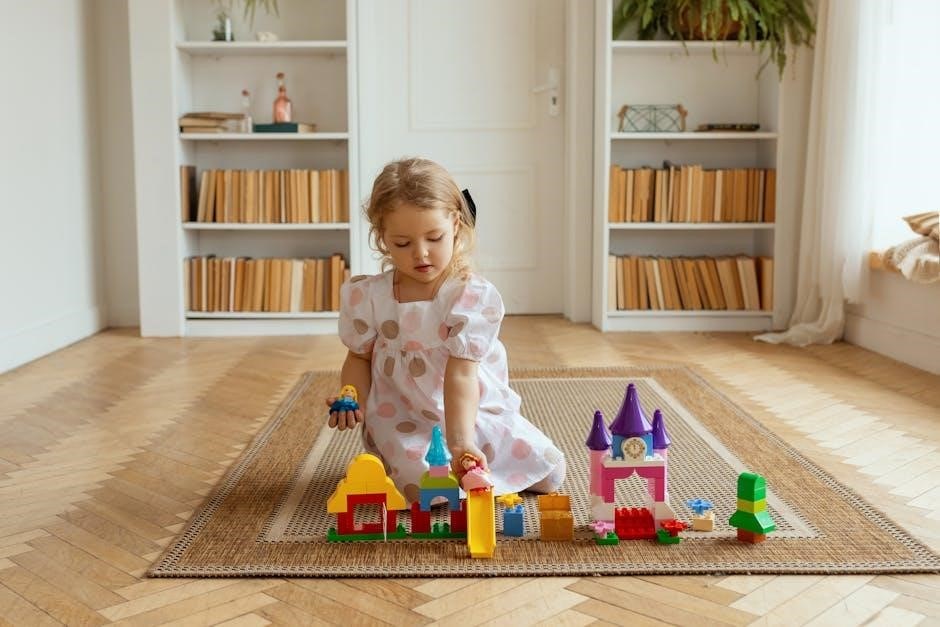

Duplo blocks are large‚ colorful building toys designed for small hands‚ fostering early creativity and imaginative play in young children everywhere․
What are Duplo Blocks?
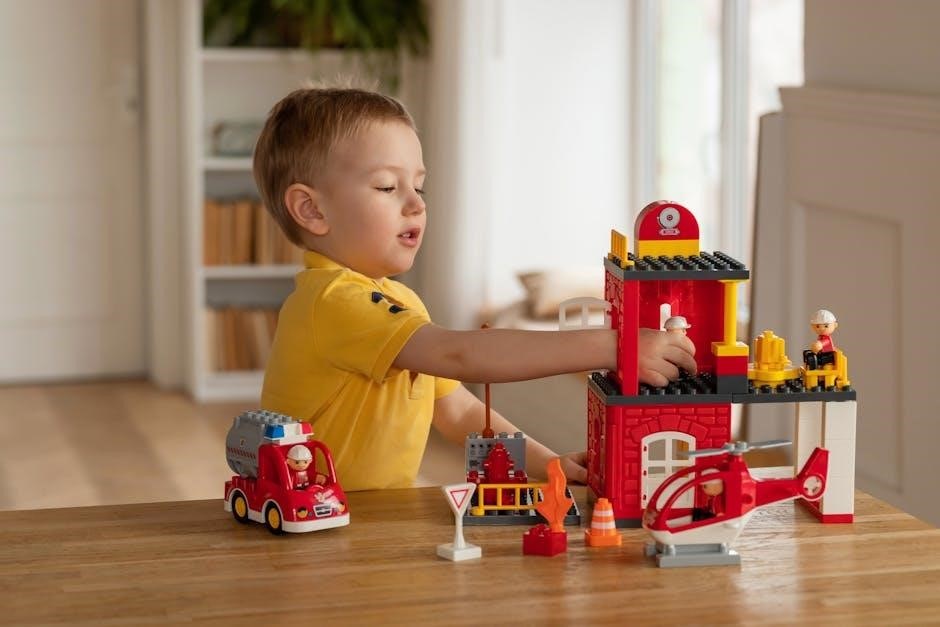
Duplo blocks‚ a cornerstone of early childhood development‚ are larger versions of traditional LEGO bricks․ Specifically engineered for little hands – typically ages 1․5 to 5 years – these blocks are significantly easier to grip‚ manipulate‚ and connect․
Constructed from durable‚ high-quality plastic‚ Duplo sets prioritize safety and longevity․ The oversized dimensions minimize choking hazards‚ offering parents peace of mind during playtime․ Beyond basic bricks‚ Duplo encompasses a vast range of elements‚ including figures‚ animals‚ vehicles‚ and themed sets‚ sparking diverse narratives and play scenarios․
Unlike their smaller LEGO counterparts‚ Duplo blocks feature a simplified coupling system‚ ensuring effortless connections for budding builders․ This ease of use encourages independent play and fosters a sense of accomplishment․
Why are Duplo Blocks Popular?
Duplo blocks enjoy widespread popularity due to their exceptional ability to blend entertainment with educational value․ They provide a fantastic foundation for developing crucial skills in young children‚ from fine motor coordination to problem-solving abilities․
The vibrant colors and diverse range of themed sets – featuring animals‚ vehicles‚ and familiar settings – immediately capture a child’s imagination‚ encouraging creative storytelling and role-playing․ Furthermore‚ Duplo’s compatibility with other Duplo sets allows for expanding play possibilities and long-term engagement․
Parents appreciate the durability and safety features‚ alongside the brand’s reputation for quality․ Duplo fosters independent play‚ boosts confidence‚ and provides a shared experience for families to enjoy together․
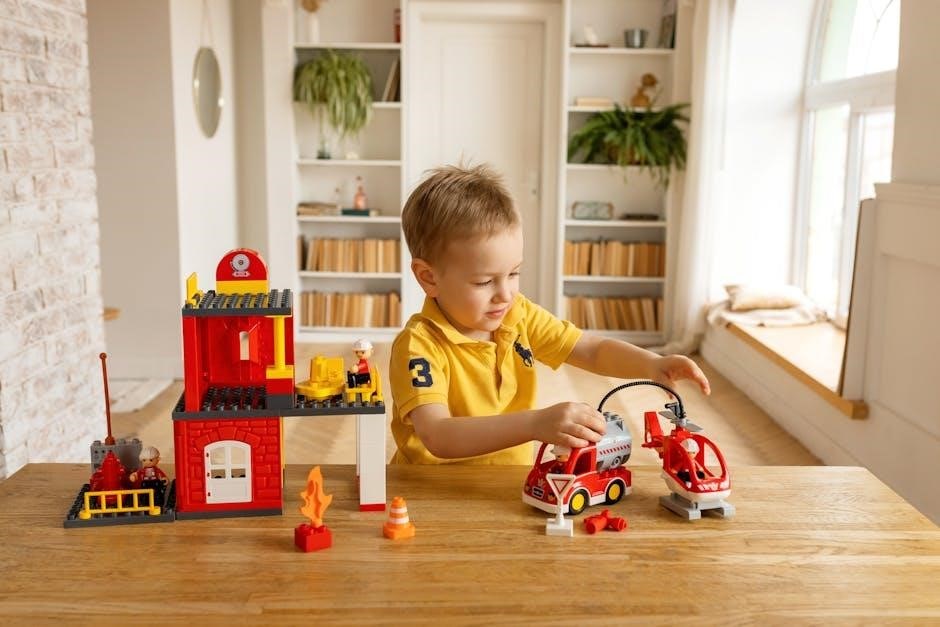
Developmental Benefits of Playing with Duplo Blocks
Duplo play significantly enhances a child’s development‚ nurturing essential skills like spatial reasoning‚ hand-eye coordination‚ and problem-solving capabilities․
Fine Motor Skill Development
Duplo blocks are perfectly sized for little hands to grasp‚ manipulate‚ and connect‚ providing an excellent workout for developing fine motor skills․ The act of stacking‚ sorting‚ and fitting the blocks together strengthens the small muscles in a child’s hands and fingers․
This enhanced dexterity is crucial for future tasks like writing‚ drawing‚ buttoning clothes‚ and using utensils․ Repeatedly picking up and placing the blocks also improves hand-eye coordination‚ as children learn to visually guide their movements․
Furthermore‚ the resistance encountered when connecting the blocks helps build strength and control․ These seemingly simple actions lay a strong foundation for more complex fine motor activities later in life‚ contributing to overall physical development․
Cognitive Skill Enhancement
Duplo blocks aren’t just about physical development; they’re powerful tools for boosting cognitive skills too! Building with Duplo encourages problem-solving as children figure out how to make structures stand‚ balance‚ and achieve their desired designs․ This fosters spatial reasoning and an understanding of cause and effect․
The process of planning and executing a build also enhances critical thinking and encourages creativity․ Children learn to experiment‚ adapt‚ and overcome challenges as they construct their creations․
Moreover‚ sorting blocks by color or shape introduces early math concepts and pattern recognition․ Duplo play actively stimulates a child’s brain‚ laying the groundwork for future academic success and a lifelong love of learning․
Social and Emotional Growth
Duplo blocks provide fantastic opportunities for social and emotional development‚ especially when children play together․ Collaborative building encourages communication‚ negotiation‚ and sharing – vital skills for navigating social interactions․ Children learn to listen to each other’s ideas‚ compromise‚ and work towards a common goal․
Successfully completing a build as a team boosts confidence and fosters a sense of accomplishment․ Even independent play with Duplo can nurture emotional growth․
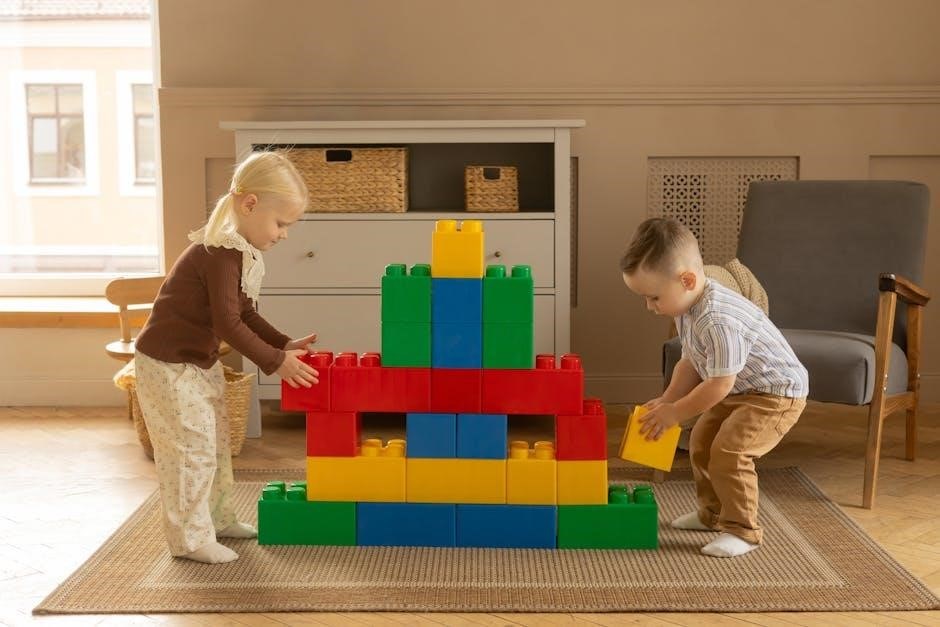
Expressing creativity through building allows children to explore their feelings and ideas in a safe and non-judgmental way․ Dealing with frustration when a tower falls down teaches resilience and problem-solving‚ building emotional strength․
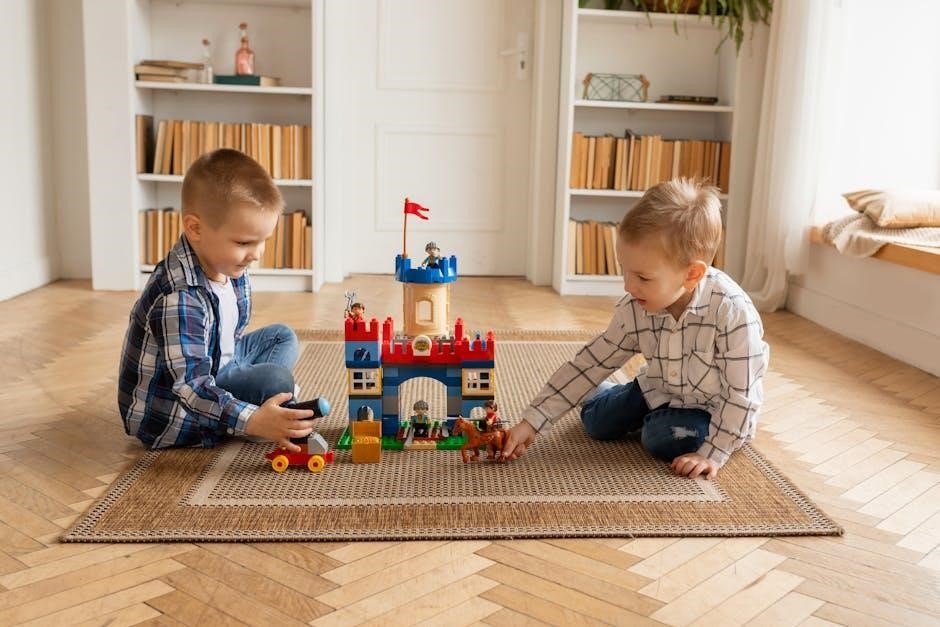
Getting Started with Duplo Blocks
Beginning with Duplo is simple! Unbox the bricks‚ find a comfy space‚ and let your child’s imagination lead the way for endless fun․
Choosing the Right Duplo Set
Selecting a Duplo set depends on your child’s age and interests․ For very young toddlers‚ basic brick sets are ideal‚ encouraging free-form building and exploration of colors and shapes․
As they grow‚ consider themed sets like farms‚ zoos‚ or construction sites․ These provide a starting point for imaginative role-playing and storytelling․
Look at the number of pieces – larger sets offer more building possibilities‚ but can be overwhelming for beginners․
Read reviews to gauge the set’s durability and play value․ Don’t hesitate to start small and add more sets later as your child’s skills and interests develop․ Consider sets that promote learning‚ like numbers or letters!
Setting Up a Play Space
Creating a dedicated Duplo play space doesn’t require a large area‚ but a defined zone is helpful․ A playroom corner‚ section of a bedroom‚ or even a large‚ portable playmat works well․
Consider a surface that’s easy to clean‚ like a rug or interlocking foam tiles‚ to cushion dropped bricks and provide comfort․
Good lighting is essential for visibility and encourages longer play sessions․
Storage solutions‚ such as bins or drawers‚ are crucial for keeping blocks organized and preventing tripping hazards․ Involve your child in tidying up to instill responsibility․ A calm‚ inviting space fosters creativity!
Basic Building Techniques
Starting with a stable base is key to successful Duplo constructions․ Begin by connecting several bricks in a row to form a foundation․ Encourage stacking – demonstrate how to place one brick directly on top of another‚ aligning the studs for a secure connection․
Show your child how to create walls by building upwards from the base․ Explain the concept of balance; wider bases provide more stability․
Introduce simple patterns‚ like alternating colors‚ to add visual interest․ Don’t be afraid to experiment! There’s no right or wrong way to build with Duplo blocks – the goal is to have fun and explore․
Creative Building Ideas with Duplo Blocks
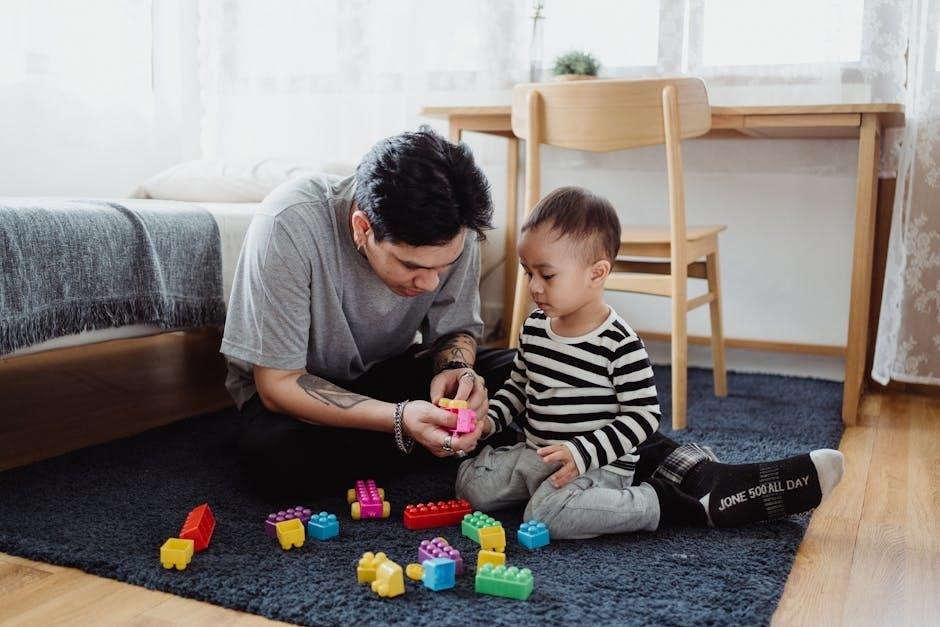
Unleash imagination! Build fantastical creatures‚ towering castles‚ or bustling cityscapes – Duplo blocks transform simple ideas into vibrant‚ three-dimensional realities․
Building Animals
Let’s create a zoo! Building animals with Duplo blocks is a fantastic way to encourage imaginative play and learn about different creatures․ Start with simple shapes – a 2×4 brick can become a body‚ while smaller bricks form legs and a head․
Experiment with colors to match real animals or invent entirely new species! Use slopes for noses and curved pieces for ears․ Don’t be afraid to stack bricks creatively to achieve different animal forms․
Consider adding details like eyes using 1×1 round bricks or creating tails with flexible pieces․ Encourage storytelling by building habitats for your animals – a grassy field‚ a watery pond‚ or a jungle environment․ Building animals fosters problem-solving skills and artistic expression‚ all while having fun!
Constructing Vehicles
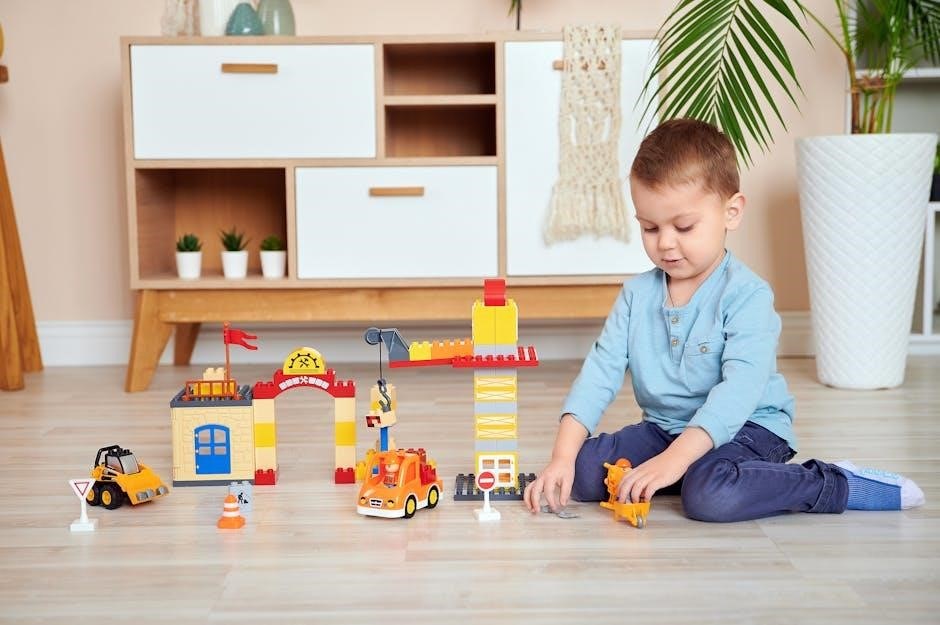
Vroom‚ vroom! Constructing vehicles with Duplo blocks opens a world of transportation adventures․ Begin with a sturdy base – a flat plate works wonderfully․ Add larger bricks to form the body of your car‚ truck‚ or even a spaceship!
Wheels are essential; use round Duplo pieces or specialized wheel elements if available․ Don’t forget a windshield using a transparent brick! Experiment with different brick combinations to create unique vehicle designs․
Consider adding details like headlights‚ a steering wheel‚ or even passengers․ Encourage imaginative play by building roads‚ garages‚ and fueling stations․ Building vehicles enhances spatial reasoning and problem-solving skills‚ while sparking creativity and a love for all things that move!
Designing Houses and Buildings
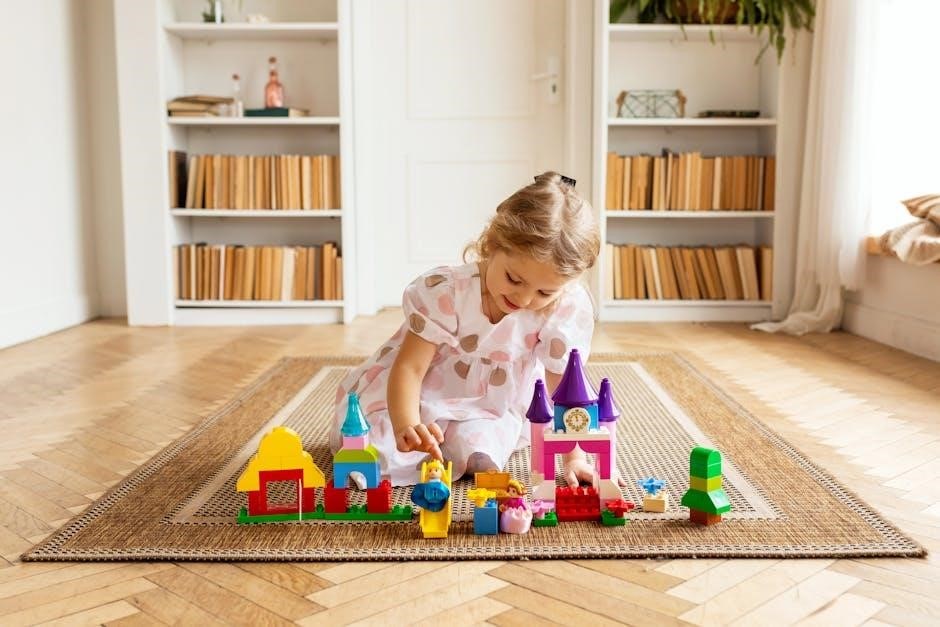
Let’s build a home! Designing houses and buildings with Duplo blocks encourages architectural exploration․ Start with a solid foundation – a baseplate is ideal․ Stack rectangular bricks to create walls‚ leaving openings for doors and windows․
Utilize sloped bricks for roofs‚ and experiment with different colors to add personality․ Don’t be afraid to build multiple stories! Add details like chimneys‚ balconies‚ and gardens using smaller bricks and special pieces․
Encourage storytelling by creating rooms and furnishing them with Duplo people and accessories․ Building structures fosters spatial reasoning‚ planning skills‚ and imaginative role-playing‚ transforming playtime into a miniature city!
Advanced Duplo Building Techniques
Elevate your builds! Mastering techniques like interlocking‚ offsetting‚ and layering unlocks complex designs and impressively stable‚ larger Duplo creations․
Creating Stable Structures
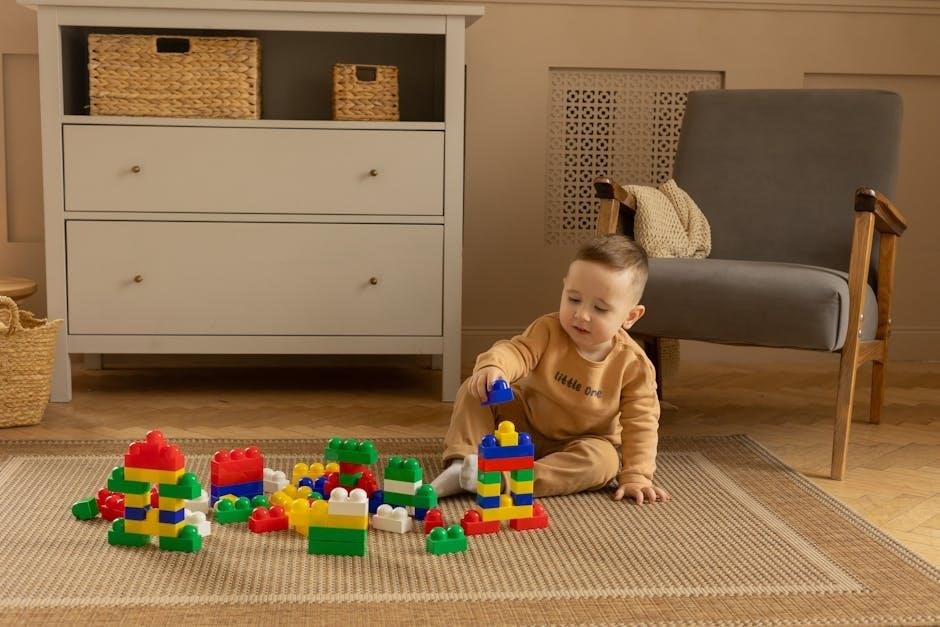
Building tall and strong with Duplo blocks requires a little planning! Begin with a wide‚ solid base – the larger the footprint‚ the more stable your structure will be․ Interlock the bricks on each layer‚ rather than simply stacking them directly on top of each other; this prevents wobbling․
Think about distributing weight evenly․ Avoid concentrating heavy elements on one side‚ as this can cause toppling․ Utilize “brick bonding” – similar to how real bricklayers work – by staggering the joints between layers․ This adds significant strength․
For particularly ambitious builds‚ consider incorporating internal supports․ Columns or walls within the structure can provide crucial reinforcement․ Don’t be afraid to experiment and rebuild if something feels unstable; learning through trial and error is part of the fun!
Incorporating Colors and Patterns
Duplo blocks offer a vibrant palette for creative expression! Don’t just build – design! Start by choosing a color scheme; perhaps a rainbow effect‚ complementary colors‚ or a monochromatic look․ Consider patterns like stripes‚ checkerboards‚ or even simple repeating sequences․
Use different colored bricks to highlight specific features of your build‚ like windows‚ doors‚ or decorative elements․ Experiment with layering colors to create new shades and visual interest; Think about how colors evoke different feelings – red for excitement‚ blue for calmness‚ and so on․
Patterns aren’t limited to the exterior; incorporate them into the interior of structures too! This adds depth and complexity to your creations‚ fostering a sense of artistic accomplishment․
Storytelling Through Builds
Duplo blocks aren’t just for building; they’re for narrating! Encourage your child to create scenes and characters‚ then invent stories around them․ A simple tower can become a castle‚ inhabited by a brave knight and a friendly dragon․ A vehicle can transport explorers on a thrilling adventure․
Ask open-ended questions like‚ “What happens next?” or “Who lives in this house?” to stimulate their imagination․ Use the blocks to represent different elements of the story – a blue block for water‚ a green block for a forest‚ and so on․
Role-playing with Duplo figures enhances the storytelling experience․ Let the figures interact with the builds‚ bringing the narrative to life and fostering language development and social skills․
Duplo Block Care and Maintenance
Maintaining Duplo blocks ensures years of play! Regular cleaning and proper storage keep them safe‚ hygienic‚ and ready for endless building adventures․
Cleaning Duplo Blocks
Keeping Duplo blocks clean is essential for hygienic play‚ especially with little ones who tend to put things in their mouths․ Fortunately‚ cleaning is quite simple! For a quick clean‚ wipe down the blocks with a damp cloth and mild soap․ Avoid harsh chemicals or abrasive cleaners‚ as these could damage the plastic or remove the colors․
For a more thorough cleaning‚ place the blocks in a mesh laundry bag and wash them in the top rack of your dishwasher on a gentle cycle with cool water․ Ensure they are completely dry before storing them away․ Alternatively‚ you can hand wash them in a sink or tub filled with warm‚ soapy water․ Rinse thoroughly and allow to air dry completely․
Pay special attention to crevices and textured surfaces where dirt and grime can accumulate․ A soft brush can be helpful for reaching these areas․ Regular cleaning will help maintain the vibrant colors and ensure your child enjoys a safe and fun building experience․
Storing Duplo Blocks
Proper storage of Duplo blocks is key to keeping them organized and preventing loss․ Large‚ sturdy containers with lids are ideal – think plastic bins or storage tubs․ These protect the blocks from dust and make cleanup a breeze! Consider sorting the blocks by color to encourage creativity and make finding specific pieces easier for your child․
Mesh laundry bags are also fantastic for storing smaller quantities or for taking blocks on the go․ A playmat with built-in storage pockets is another clever solution‚ allowing for quick and easy cleanup after playtime․ Avoid storing blocks in direct sunlight‚ as this can cause the colors to fade over time․
Labeling the containers with pictures or words can help young children learn to put the blocks away independently․ A designated Duplo storage area will encourage responsibility and maintain a tidy play space for everyone!
Replacing Lost Pieces
Losing Duplo blocks is inevitable with enthusiastic play! Fortunately‚ replacing them is usually quite straightforward․ The LEGO website offers a “Bricks & Pieces” service where you can order individual Duplo bricks directly from LEGO․ You’ll need to create a LEGO account and search for the specific part number you require․
Alternatively‚ online marketplaces like eBay and BrickLink are excellent resources for finding individual Duplo bricks or even complete sets at reasonable prices․ When ordering online‚ carefully check the color and condition of the bricks before purchasing․ Local toy stores or online parent groups may also be helpful in sourcing replacement pieces․
Don’t worry too much about perfectly matching lost bricks; a little variation can even spark creativity! Prioritize replacing essential pieces needed for specific builds to keep the fun going;
Duplo Blocks vs․ LEGO Bricks
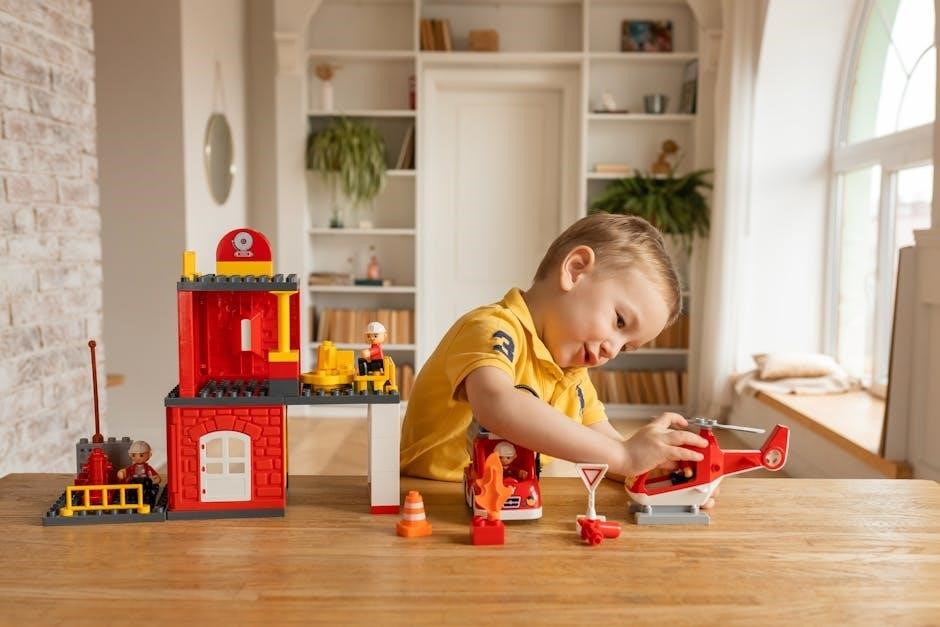
Duplo blocks are larger and simpler‚ ideal for toddlers‚ while LEGO bricks are smaller and more complex‚ suited for older children with developed skills․
Key Differences in Size and Complexity
Duplo blocks are significantly larger than traditional LEGO bricks‚ typically twice the length‚ width‚ and height․ This substantial size difference is intentionally designed for small hands‚ making them easier to grasp‚ manipulate‚ and connect – reducing frustration and promoting independent play for toddlers and preschoolers․
Beyond size‚ the complexity differs greatly․ Duplo bricks feature a simpler stud-and-tube coupling system‚ requiring less precise alignment and force to connect securely․ LEGO bricks‚ conversely‚ utilize a more intricate system demanding finer motor skills and spatial reasoning․
The number of specialized pieces also varies․ Duplo sets generally contain fewer unique elements‚ focusing on basic shapes and colors․ LEGO sets boast a vast array of specialized bricks‚ allowing for incredibly detailed and complex builds․ This difference reflects the target age groups and the developmental skills each system aims to nurture․
Age Appropriateness Comparison
Duplo blocks are ideally suited for children aged one and a half to five years old․ Their larger size minimizes choking hazards and encourages early building skills in toddlers․ The simple connection system allows even very young children to experience the satisfaction of creating structures independently‚ boosting confidence and spatial awareness․
LEGO bricks‚ with their smaller size and more complex connections‚ are generally recommended for children aged five and up․ This age group typically possesses the necessary fine motor skills‚ hand-eye coordination‚ and problem-solving abilities to successfully manipulate and assemble the smaller pieces․
Introducing LEGO bricks too early can lead to frustration and discouragement․ Conversely‚ continuing with Duplo beyond age five may not provide sufficient challenge․ Choosing the right building system based on a child’s developmental stage is crucial for fostering a positive and rewarding play experience․